In New York City last week, digital entrepreneur Michael Chen discovered a nightmare scenario: his startup domain, “TechPulse.io,” had been left with an expired credit card, and he nearly lost it. Domain hijacking isn’t just a tech cliché—it’s a real threat. Attackers monitor expiring domains and can swoop in the moment a renewal fails.
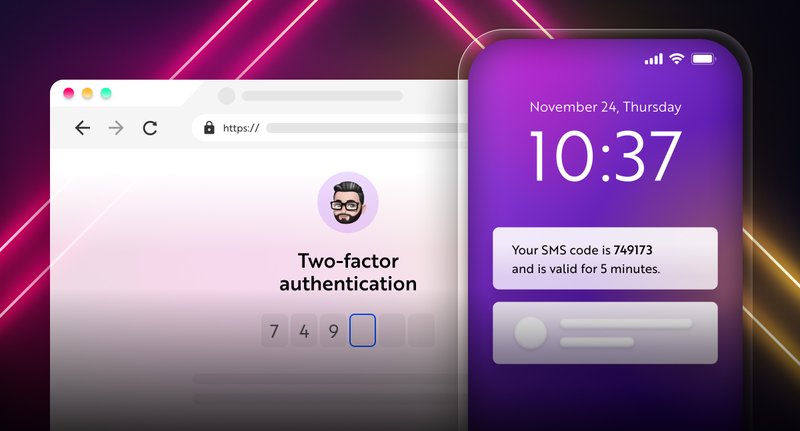
The lesson? Don’t rely on memory or calendar reminders alone. Michael immediately enrolled in auto-renew services with GoDaddy and added two-factor authentication to his account. He also used domain locking, which prevents transfers without explicit approval. This small investment in security protects against phishing, theft, and unintentional expiration.
Another tip: if your business uses multiple domains, centralize them under a single registrar that supports robust security. For example, Namecheap and Google Domains both offer domain protection, privacy shielding, and monitoring for suspicious activity. Keeping WHOIS data private can prevent attackers from gathering information to impersonate you or send fraudulent renewal notices.
Finally, audit all domains you own at least twice a year. Even domains that aren’t actively used can hold value, either as part of brand strategy or future projects. Losing one because of simple negligence is avoidable. Michael says, “It’s about peace of mind. Secure your domain like you secure your office keys.”
From tech startups in San Francisco to freelance designers in Berlin, this is a universal tip: proactive domain security saves headaches, money, and potential legal battles. Every domain is an asset—treat it as one.